Hiring the wrong fabricator for a custom stair or railing project in Utah is an expensive mistake.
Remakes, schedule delays, code failures, and poor field fit are almost always traced back to the vetting stage — not the build stage. Most contractors and architects have learned this the hard way at least once.
The problem is that every shop looks similar from the outside. Websites show finished photos. Everyone claims quality work. Everyone says they hit deadlines.
But the differences between fabricators are significant, and they show up at the worst possible time — during installation.
This guide gives you 10 specific things to verify before awarding a custom stair or railing scope in Utah.
Why Choosing the Right Fabricator Matters More in Utah
Utah's commercial construction market has grown significantly over the past decade. That growth has brought more fabrication shops into the market — some experienced, some not.
At the same time, Utah projects have specific demands:
- Seismic design requirements in the Wasatch Front
- Aggressive construction schedules driven by developer timelines
- AHJ variation between Salt Lake City, Utah County, Davis County, and surrounding jurisdictions
- Wide temperature swings that affect coating performance and field installation tolerances
A fabricator who works regularly in Utah understands these conditions. One who does not will learn them on your project.
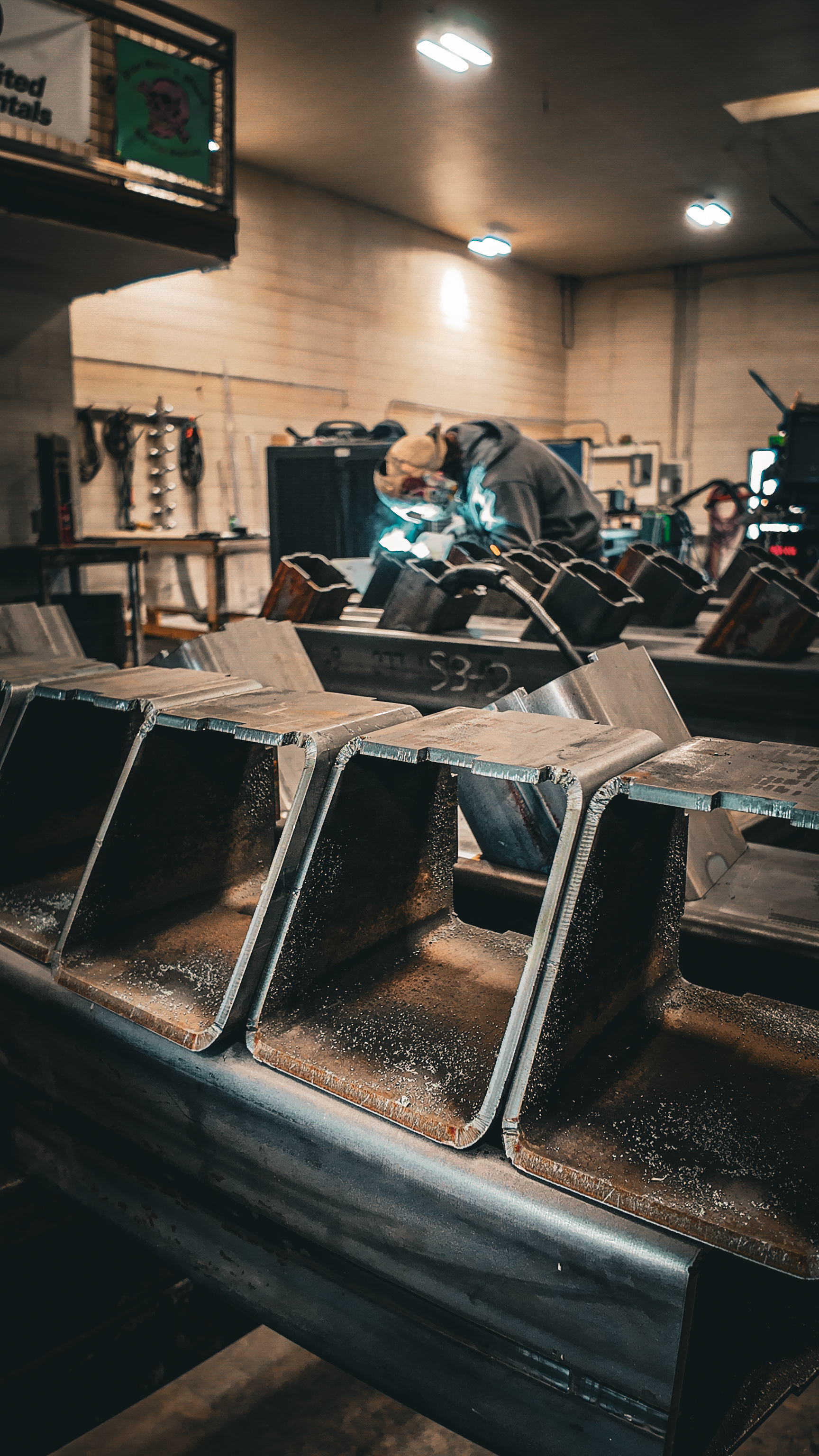
1. Verify They Actually Fabricate In-House
This is the first question to ask — and most people never ask it.
Some companies that present themselves as fabricators are actually brokers. They take your project, mark it up, and send it to a shop you have never met and cannot vet.
Brokers are not fabricators. They add cost and remove accountability.
What to ask
- Do you own and operate a fabrication shop?
- Where is the shop located?
- Can I visit the shop before awarding the work?
- Who will be doing the welding — your employees or subcontractors?
A real fabrication shop will welcome a shop visit. A broker will deflect.
2. Ask About Their Detailing and Shop Drawing Process
Shop drawings are where fabrication projects succeed or fail.
A fabricator who produces thorough shop drawings before cutting any steel will catch conflicts early — on paper, not on site. A fabricator who skips or rushes drawings will discover those conflicts during installation.
The shop drawing process is a direct window into how a shop manages quality.
What to ask
- Do you produce stamped or engineered shop drawings?
- Do you model in 3D before detailing?
- Who produces your drawings — in-house detailers or outside contractors?
- What software do you use?
- How do you handle submittal review and RFI coordination?
What good looks like
- In-house detailing team
- 3D modeling before shop drawings
- Coordination with architectural and structural drawings
- Clear submittal process with defined review cycles
3. Confirm They Do Their Own Field Measuring
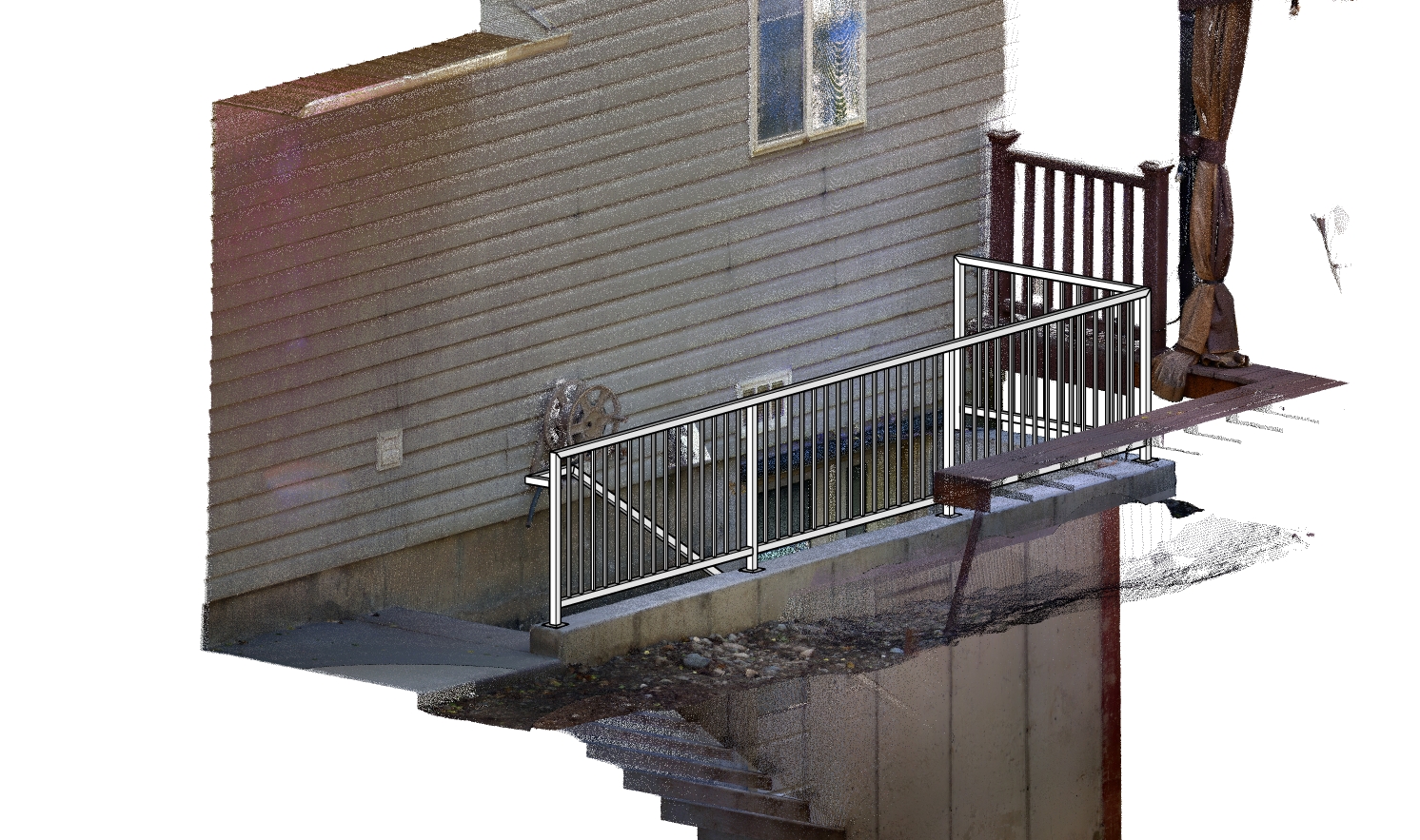
Inaccurate field dimensions are the single most common cause of steel that does not fit.
Many fabricators rely on contractor-provided dimensions or architect drawings. Those dimensions are often wrong, outdated, or incomplete — especially on renovation and tenant improvement projects where existing conditions rarely match drawings.
The fabricator who measures the field owns the fit. The fabricator who trusts someone else's numbers does not.
What to ask
- Do you come to site to take your own field measurements before detailing?
- How do you verify existing conditions against drawings?
- Do you use LiDAR scanning for complex or renovation scopes?
- What happens if field conditions change after you have already fabricated?
A fabricator who invests in accurate field measuring — whether through conventional layout or LiDAR scanning — is protecting your schedule and budget, not just their own.
4. Check Weld Certifications and Inspection Records
Welding quality directly affects structural integrity, code compliance, and final appearance.
Not every shop certifies its welders or maintains inspection records. On commercial projects with structural steel, this is not optional — it is a code requirement.
Ask for documentation before the project starts, not after a failed inspection.
What to verify
- Are your welders AWS D1.1 certified?
- Do you maintain current welder qualification records?
- Do you have access to a Certified Welding Inspector (CWI) for structural work?
- How do you handle third-party special inspection requirements?
- Have you had weld failures or structural rejections on past projects?
What this affects on your project
- Structural stair stringers and connections
- Embed plate welds
- Cantilevered railing post bases
- Any steel requiring special inspection per the IBC
5. Ask About Lead Times and What Drives Them
Every fabricator quotes a lead time. What most do not tell you is what can extend it.
Material procurement, shop backlog, detailing time, submittal review cycles, and coating scheduling all affect when steel is ready. A realistic fabricator will walk you through each of these. A fabricator chasing the job will quote you the shortest number they think you want to hear.
An unrealistic lead time does not save your schedule. It destroys it.
What to ask
- What is your current shop backlog?
- How long does your detailing and submittal process take?
- What is your material lead time right now?
- Do you outsource coating — and if so, what is the coating shop's current lead time?
- What is your on-time delivery record over the past year?
A fabricator who can answer these questions specifically is managing their shop. One who cannot is guessing.
6. Verify Experience With Your Specific Scope
Fabricating a structural stair is not the same as fabricating a decorative railing. Fabricating cable railing is not the same as fabricating glass infill railing. Fabricating an architectural feature stair is not the same as fabricating a code-compliant egress stair.
Experience is scope-specific. A shop with 20 years of industrial handrail experience may have very limited experience with the architectural stair your project requires.
Ask for examples of work that specifically matches your project type.
What to verify
- Show me three projects similar to this scope
- Have you fabricated this infill type before — cable, glass, bar, mesh?
- Have you worked with this finish type before?
- Have you built stairs with this rise/run configuration or stringer geometry before?
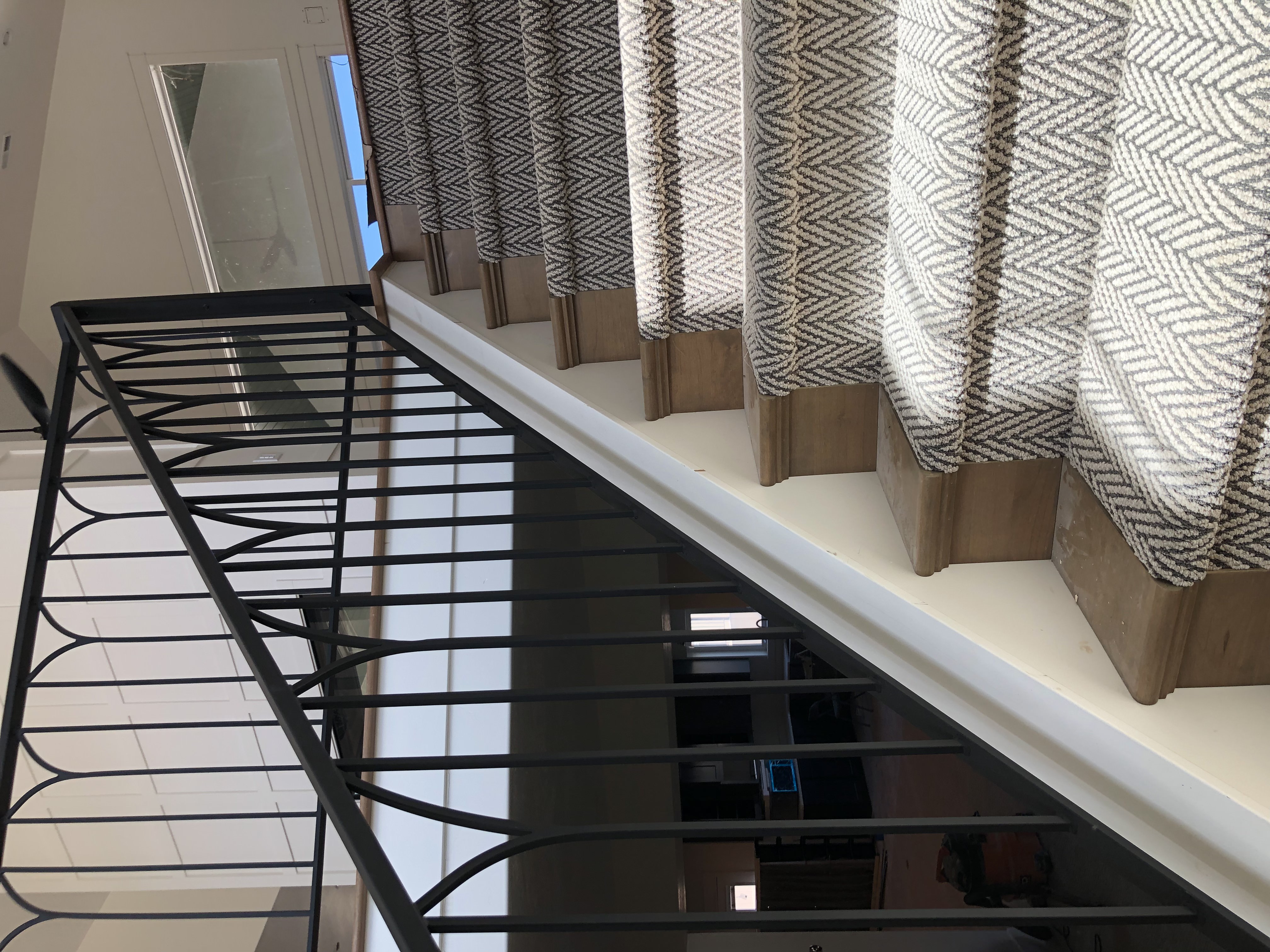
7. Understand Their Coating and Finish Capabilities
Coating is one of the most overlooked parts of the fabrication vetting process — and one of the most impactful on final appearance and long-term durability.
Some fabricators apply primer only and send the steel to a separate paint contractor. Some have in-house powder coating. Some coordinate with galvanizers for exterior applications. The right answer depends on your project, but you need to know what you are getting.
A coating failure is visible every day. Make sure the coating process matches the project requirements before fabrication starts.
What to ask
- Do you have in-house powder coating or painting?
- What primer systems do you use for exterior vs. interior applications?
- Can you coordinate hot-dip galvanizing for exterior structural work?
- Who is responsible for surface prep before coating?
- What coating warranty do you provide?
8. Confirm Code Compliance and Permitting Knowledge
Stairs and railings are among the most code-regulated scopes in commercial construction. Height requirements, graspability profiles, structural loading, intermediate rail spacing, and landing configurations are all governed by the IBC — and enforced differently by different Utah jurisdictions.
A fabricator who does not know the code will build to what looks right, not what passes inspection.
Code problems on installed work are expensive. They require field modification or complete removal and replacement.
What to verify
- Are you familiar with IBC Chapter 10 requirements for stairs and Chapter 10 guardrail and handrail provisions?
- How do you handle ADA graspability requirements on handrail profiles?
- Have you worked with the AHJ in this jurisdiction before?
- Do you coordinate with the engineer of record on structural connection design?
- Have any of your past projects failed inspection — and what was the cause?
9. Clarify Installation — Who Does It and How
Many fabricators do not install. They build the steel, deliver it, and hand off to another contractor. That handoff creates a gap in accountability — especially when field fit problems emerge.
When the same company fabricates and installs, they own the entire outcome. When those are two different parties, each points at the other when something does not fit.
Knowing who installs — and whether they are experienced with your scope — is as important as knowing who fabricates.
What to ask
- Do you self-perform installation?
- If you sub installation, who is your installer and what is their experience?
- How do you handle a piece that does not fit correctly during installation?
- Who is responsible for field welding and touch-up coating at connections?
- Do you provide a foreman on site during installation or drop and leave?
10. Ask for References From Utah GCs or Architects
Portfolio photos show the best work. References tell you what the project was actually like to manage.
A strong reference from a Utah general contractor or architect means the fabricator has operated in this market, worked within local subcontractor relationships, and delivered on a real project under real conditions.
Ask for references, then actually call them.
What to ask references
- Did they hit the schedule they quoted at award?
- Were submittals complete and on time?
- Did the steel fit correctly on the first installation attempt?
- How did they handle problems when they arose?
- Would you use them again?
A fabricator with no local references — or who cannot provide any — is either new to the Utah market or has a reason for not offering them.
Final Thoughts
Choosing a custom stair and railing fabricator in Utah is not just about price.
The lowest bid often reflects inexperience, underestimated scope, or cutting corners on the process items above. Those savings disappear quickly when steel has to be remade, installation takes twice as long, or a project fails inspection.
The fabricators who consistently deliver on commercial projects in Utah are the ones who have built real systems — for detailing, field verification, quality control, and communication.
Vet the process. The price follows.
If you are sourcing a stair or railing scope in Utah and want to talk through what your project requires, contact us and we can walk through it with you.